Distinctive architecture near downtown, with condition and renovation history to review.

Moving to Pleasanton means comparing more than homes and prices. Ravi Dasani, a Pleasanton real estate advisor at Compass, combines local judgment with data-driven real estate analysis to help buyers evaluate neighborhoods, ownership costs, schools, daily access, and property-level tradeoffs before choosing an address.
Explore Pleasanton With RaviSearch Pleasanton HomesPleasanton neighborhood map
Select a labeled location for a neighborhood overview and a detailed guide.
Shaded areas and locations are approximate, not official neighborhood, municipal, school, HOA, or service-area boundaries. Verify property-specific details independently.
Housing character
These are useful starting points, not rigid categories. Individual homes can differ substantially within the same neighborhood.
Distinctive architecture near downtown, with condition and renovation history to review.
Mature neighborhoods with varied floor plans, lots, and update levels.
Lower-maintenance living with HOA structure central to the comparison.
Larger homes and amenities with dues, gates, and landscape obligations.
Best fit for
Buyers who value restaurants, events, and a walkable community core.
Buyers balancing Tri-Valley life with BART, ACE, I-580, and I-680.
Buyers comparing larger lots, foothill settings, or gated luxury communities.
Commute and connection
The indicators are qualitative. Traffic, departure time, parking, transfers, and the exact address can change the experience.
Ownership-cost watchlist
HOA fees, special assessments, taxes, utilities, insurance availability, and maintenance needs must be verified for the exact property.
Pleasanton in context
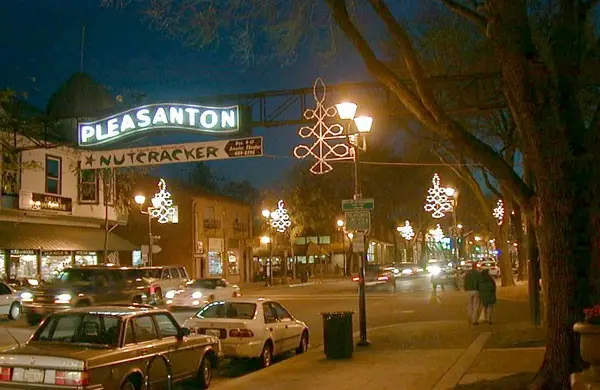 Downtown Pleasanton Main Street
 Exploring Pleasanton at street level
Pleasanton includes distinct neighborhoods and property types. Use this guide to narrow the settings that fit, then compare the exact home, street, obligations, and daily routine.
Compare Pleasanton neighborhoods by setting, housing type, lot, condition, ownership structure, and daily access.
Test the routes to schools, shopping, work, recreation, and regional connections at the times your household will use them.
Street position, lot, condition, improvements, association coverage, and nearby activity can vary within the broader area.
Two Pleasanton homes with similar size and price can offer meaningfully different condition, utility, privacy, recurring costs, and future project needs.
Evaluate usable lot area, slope, drainage, privacy, easements, outdoor systems, and the relationship to neighboring parcels.
Verify whether the specific property has any association, shared-road, access, insurance, maintenance, or other recurring obligations.
Review drainage, landscaping, fencing, trees, sun, shade, maintenance access, and how the outdoor areas function throughout the day.
Separate cosmetic appeal from durable improvement by reviewing disclosures, permits, inspections, systems, and maintenance history.
Taxes, insurance, HOA dues, major systems, landscaping, and future projects can materially change the cost of owning a Pleasanton home.
Condition, obligations, and long-term maintenance can matter as much as price.
Review the actual property-tax bill, insurance options, disclosures, permits, inspections, and any association documents for the specific address.
Price the roof, HVAC, windows, electrical, plumbing, drainage, outdoor systems, and planned renovations instead of treating condition as a cosmetic difference.
School assignments, services, commute routes, and neighborhood activity should be evaluated for the exact property rather than assumed from the Pleasanton name.
Verify current assignments, enrollment, programs, and transportation directly with PUSD because boundaries and availability can change.
Test schools, shopping, work, parks, downtown destinations, and regional routes at the times your household will use them.
Visit during commute, school, evening, and weekend periods to understand traffic, parking, recreation, noise, and activity.
Buyer response can vary with location, housing type, lot, condition, improvement quality, privacy, recurring costs, and current competition. If you’re considering selling, the seller timing guide explains how to weigh local demand, property readiness, and personal timing together. If you’re considering buying in Pleasanton, assess your timing as a Pleasanton buyer by comparing current conditions with your financing, flexibility, and timeline.
Neighborhood statistics provide context, not a property-level answer.
Nearby sales may reflect different streets, lots, associations, systems, renovations, views, or exposure. They should not automatically be treated as equivalents.
The useful comparison combines relevant closed sales, current alternatives, property condition, and the priorities behind the purchase.
Explore Pleasanton's gated communities, larger homes, golf-oriented surroundings, and home-search factors for buyers considering Pleasanton.
Pleasanton neighborhoods differ in housing age, lot size, walkability, HOA structure, school assignment, commute access, and proximity to downtown or open space.
Yes. Compare taxes, insurance, association dues, maintenance responsibilities, utilities, and expected projects for the exact property.
Review disclosures, permits, inspections, insurance, title, taxes, systems, drainage, improvements, maintenance history, and any association documents for the exact address.
Compare location, housing type, lot utility, privacy, condition, improvements, obligations, recurring costs, and relevant current alternatives.
Compare the home, site, ownership costs, location, and tradeoffs that will shape everyday life.
Talk Through Your OptionsDOWNTOWN PLEASANTONA LOCAL LENS
Historic streets, neighborhood amenities, commute access, lot patterns, home age, and school boundaries all influence fit and long-term ownership. We evaluate the tradeoffs before narrowing the search.
Talk Through Your OptionsTimely analysis of Pleasanton market conditions, neighborhoods, ownership considerations, and the decisions facing local buyers and sellers.
A practical guide to comparing Pleasanton neighborhoods by housing character, schools, commute, permits, condition, ownership cost, and long-term flexibility.
Read the analysis